What is COB LED? Advantages Over Traditional LEDs (and How GOB Fits In)

Introduction
LED screens are everywhere today — from shopping malls and airports to control rooms and even home cinemas. However, not all LED technologies are the same. Over time, the industry moved from DIP to SMD, and now to COB and GOB. As a result, newer technologies deliver better image quality, stronger durability, and improved reliability.
In this article, you’ll learn what COB LED is, how it works, how it compares to SMD, and where GOB fits in.

What is COB LED?
COB stands for Chip on Board. It’s a modern method of packaging LED chips.
In SMD (Surface-Mount Device), each pixel typically uses three small chips (red, green, blue) placed inside a tiny housing, then manufacturers solder that housing onto the PCB.
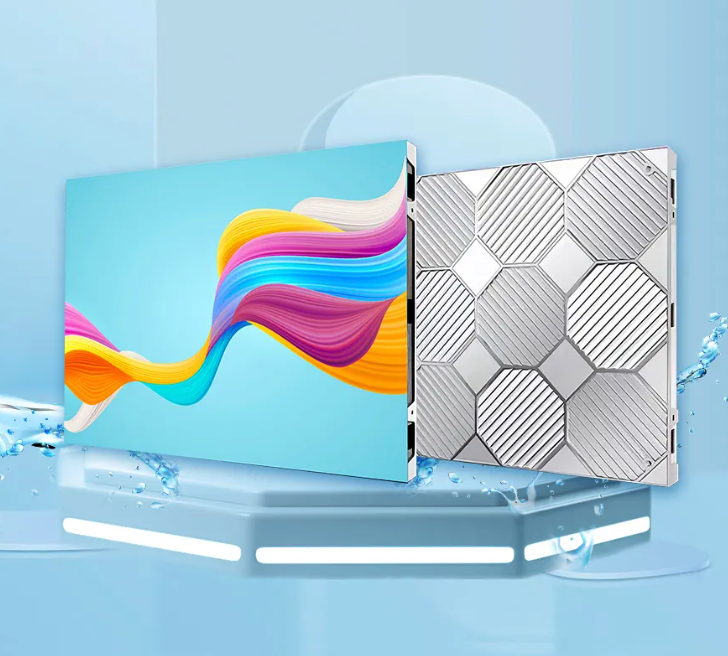
In COB, manufacturers mount many micro LED chips directly onto the PCB and then cover them with a protective resin layer. Therefore, the screen surface becomes solid and more seamless.
Simple comparison:
-
SMD is like placing many small bulbs on a board.
-
COB is like turning the surface into one continuous light panel.

What is Flip Chip LED Technology?
Flip chip is a modern LED packaging method designed to improve performance, reliability, and energy efficiency compared to traditional wire-bond LEDs.
How flip chip works
In flip chip technology, the LED chip flips upside down and mounts directly onto the substrate (PCB). As a result:
-
The electrodes sit at the bottom, so the chip needs no bonding wires.
-
Heat moves more efficiently into the board.
-
The full light-emitting surface stays exposed, which increases brightness.

What is GOB LED?
GOB stands for Glue on Board. It’s not a new chip type. Instead, it’s a protection method applied on top of SMD modules.
In GOB, a transparent resin layer coats the module surface. Therefore, the module becomes more resistant to dust, moisture, and impact. For example, rental LED screens often use GOB because people may touch or bump the display.
Key difference
-
COB = a new way of packaging LED chips.
-
GOB = a protective layer added to existing SMD modules.
How COB and GOB Work (Quick Overview)
COB
-
Mount multiple micro-LED chips very close together on a single board
-
Seal the surface with a protective layer
Result: seamless visuals + strong durability
GOB
-
Produce standard SMD modules normally
-
Apply a transparent “glue” layer on top
Result: stronger protection while keeping SMD image quality

Advantages of COB LED Over Traditional SMD
1) Seamless viewing experience
COB reduces visible gaps between pixels. As a result, the screen looks smooth even from a short distance.
2) Higher contrast and clearer image
COB often improves black levels and reduces light leakage. Therefore, content looks sharper and more premium.
3) Stronger and more durable surface
Because COB adds a protective layer, it resists touching and accidental damage better than traditional SMD.
4) Better heat dissipation
COB spreads heat more evenly, which helps extend lifespan.
5) Higher reliability and lower maintenance
COB reduces the risk of pixel damage and lowers long-term service needs.
6) Better energy efficiency
In many cases, COB can reduce power use compared to older packaging methods.
Advantages of GOB LED
-
High protection: dust-proof, waterproof, impact-resistant
-
Cost-effective: uses SMD technology but improves durability
-
Flexible use: ideal for rental LED, interactive floors, and touchable displays
-
Reduced reflection: in some cases, the coating improves perceived contrast
Where They Are Used
COB LED
Control rooms, studios, luxury retail, conference halls, home cinema
GOB LED
Rental screens, interactive displays, outdoor events, and high-traffic areas
(Insert images: control room COB vs rental stage GOB)
COB vs GOB vs SMD (Quick Comparison)
| Feature | SMD LED | GOB LED | COB LED |
|---|---|---|---|
| Durability | More fragile | Stronger (glue protection) | Very strong, sealed surface |
| Image quality | Good, pixels visible up close | Similar to SMD, protected | Smooth, seamless look |
| Brightness/contrast | Good | Good | Often better contrast |
| Heat management | Moderate | Moderate | Excellent |
| Maintenance | More frequent repairs | Easy to clean | Very low maintenance |
| Applications | General use | Rental/interactive/rough use | Premium/high-end use |
Conclusion
COB and GOB both improve on traditional SMD — but they solve different needs.
-
Choose COB LED if you want premium, seamless visuals and strong durability.
-
Choose GOB LED if you want a cost-effective way to protect SMD modules in demanding environments.
For projects in Dubai and the UAE, the best option depends on your application, budget, and long-term support needs.