COB vs MIP: The Real Debate in Fine-Pitch LED Right Now
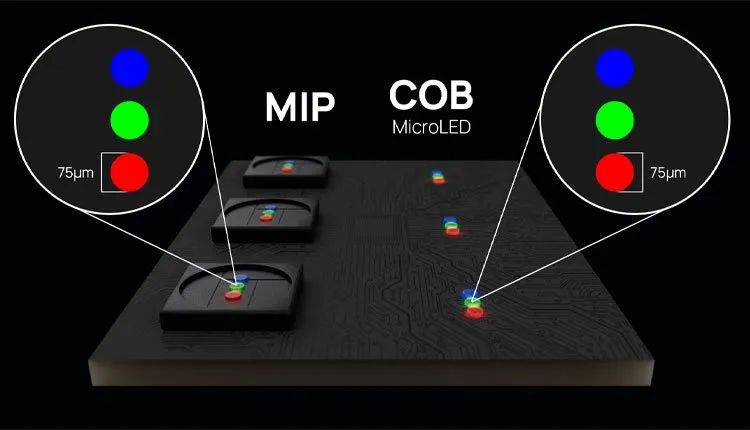
If you’ve been comparing quotes for a fine-pitch LED screen recently, you may have noticed suppliers pitching two different technologies — COB and MIP — often without explaining what actually separates them. That’s not an accident: as SMD has largely stepped back from serious fine-pitch competition, the real decision buyers now face is between these two. We already cover the basics of what COB LED is and how it compares to SMD and GOB — this guide picks up from there and focuses specifically on COB vs MIP.
Quick recap: what is COB?
COB (Chip on Board) mounts LED chips directly onto the circuit board and seals them under a protective resin layer, creating a smooth, seamless surface rather than individually visible pixel housings. It’s the technology behind most of today’s premium fine-pitch indoor screens — control rooms, high-end retail, broadcast studios.
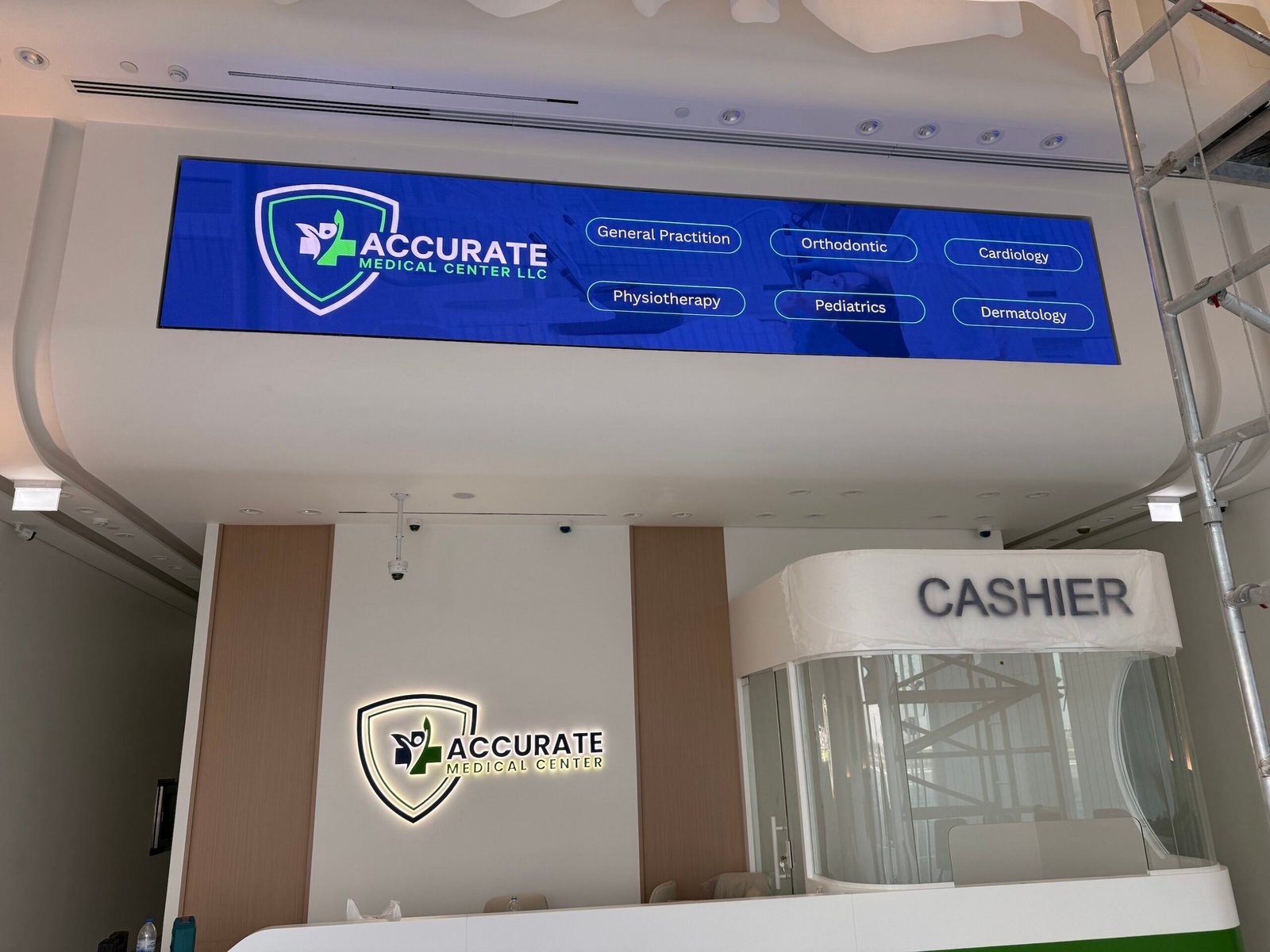
A UP2 COB installation at Accurate Medical Center, Ajman — a real example of the indoor, close-viewing use case COB is built for.
What is MIP?
MIP stands for Micro LED in Package. It’s a packaging approach that sits between conventional COB and true Micro-LED technology — combining much of COB’s durability and seamless look with characteristics closer to genuine Micro-LED performance, at a cost point that’s realistic for commercial projects today rather than the very top of the display market. In practice, MIP tends to suit large-scale and outdoor applications where COB’s indoor-optimized construction isn’t the ideal fit.
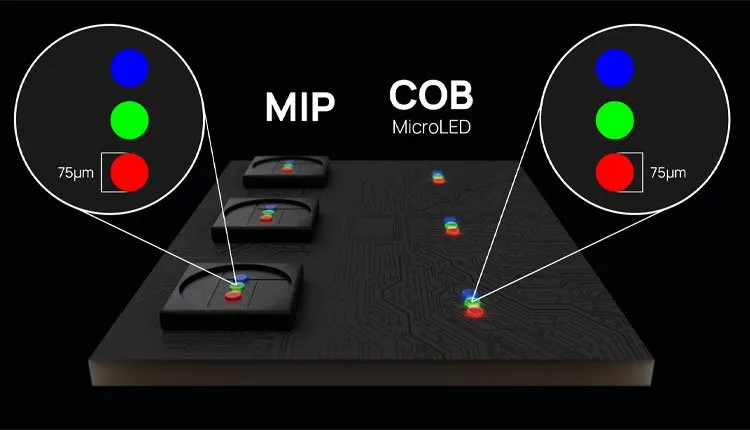
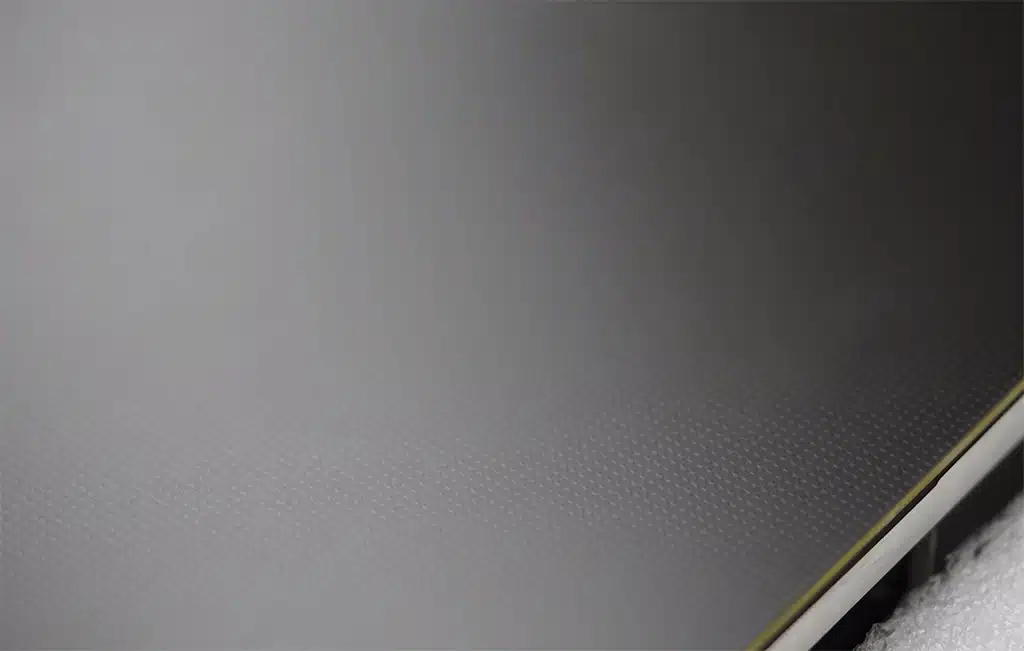
Close-up surface comparison: MIP vs COB LED packaging.
COB vs MIP — Head to Head
| Factor | COB | MIP |
|---|---|---|
| Best suited for | Indoor, premium/high-end viewing | Large-format outdoor and high-brightness applications |
| Durability | Very strong, sealed surface | Strong, built for outdoor exposure |
| Brightness ceiling | Optimized for indoor light levels | Higher achievable outdoor brightness |
| Typical use case | Control rooms, retail, studios, home cinema | Billboards, building facades, large public displays |
| Cost position | Premium indoor tier | Positioned for large-scale commercial outdoor projects |
| Typical pixel pitch | P0.4 – P1.2 (fine to ultra-fine) | P1.2 – P5 (fine to standard outdoor) |
| Typical brightness | 600 – 1,200 nits | 2,000 – 8,000+ nits |
| Ideal viewing distance | Under 2m (close-range) | 3m+ (facades, billboards) |
| Price tier reference | See COB pricing (P0.9–P1.2) | See MIP outdoor pricing |
Where MIP fits in a typical project
A large-format outdoor billboard on a high-traffic Dubai road — the kind that needs to stay legible in direct sun for years with minimal upkeep — is exactly the scenario MIP is built for. UP2’s outdoor installations across Dubai use a mix of SMD and MIP depending on the brightness, budget, and durability requirements of each site; our team specifies the right one after a site assessment rather than defaulting to one technology.
So which one should you choose?
As a starting point: if you’re building an indoor display where viewers stand close and image quality at short distance matters most — a boardroom, a luxury retail wall, a control room — COB is usually the better fit, and it’s the technology behind most of our COB installations. If you’re building a large outdoor display that needs to stay legible in direct sunlight and withstand Dubai’s climate over years of continuous operation, MIP is typically the stronger choice for that job.
Pricing for both varies by pixel pitch and screen size — see our LED screen price guide for typical ranges, or contact UP2 to discuss which technology fits your specific project.
Frequently asked questions
Is MIP the same as Micro-LED?
Not exactly. MIP sits between COB and true Micro-LED — it borrows performance characteristics from Micro-LED technology while staying at a cost and manufacturing point suited to commercial projects, rather than the premium tier where full Micro-LED currently sits.
Can COB be used outdoors?
COB can be used outdoors, but it’s primarily optimized for indoor viewing conditions. For large-scale outdoor installations needing maximum brightness and long-term durability in direct sun, MIP is generally the better-suited technology.
Which is more expensive, COB or MIP?
It depends on pixel pitch and project scale rather than the technology alone. See our price guide for a full breakdown, or contact us for a quote specific to your screen size and application.
Related Products
Related Products
Related Products
Related Products
Related Products
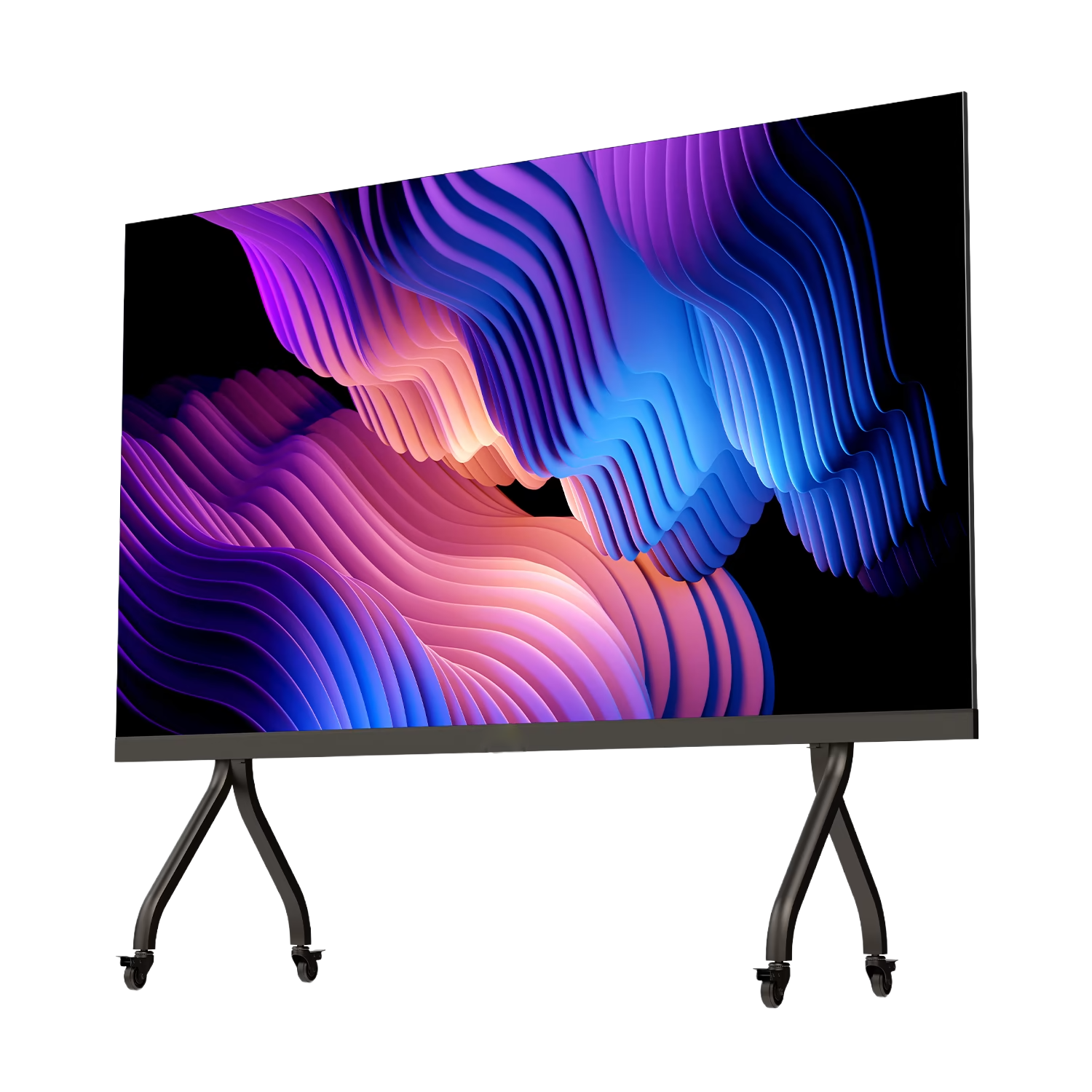
All-in-One LED Display
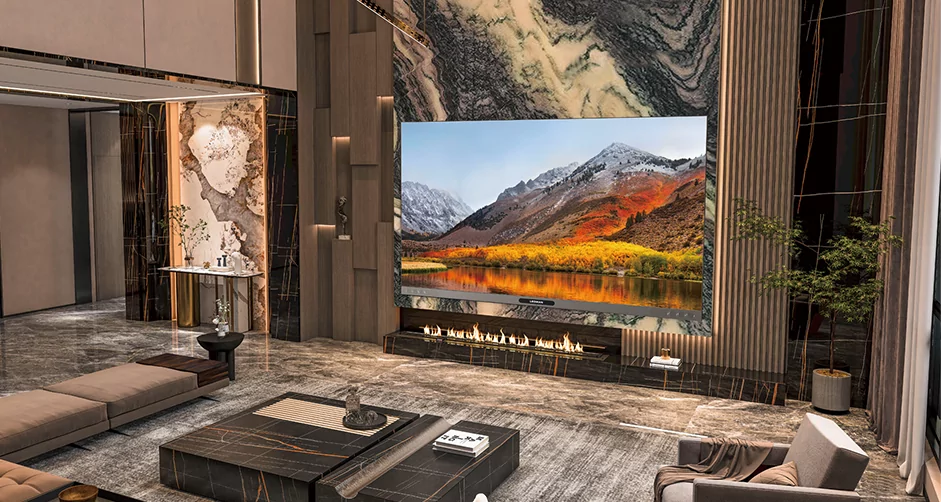
Home Cinema
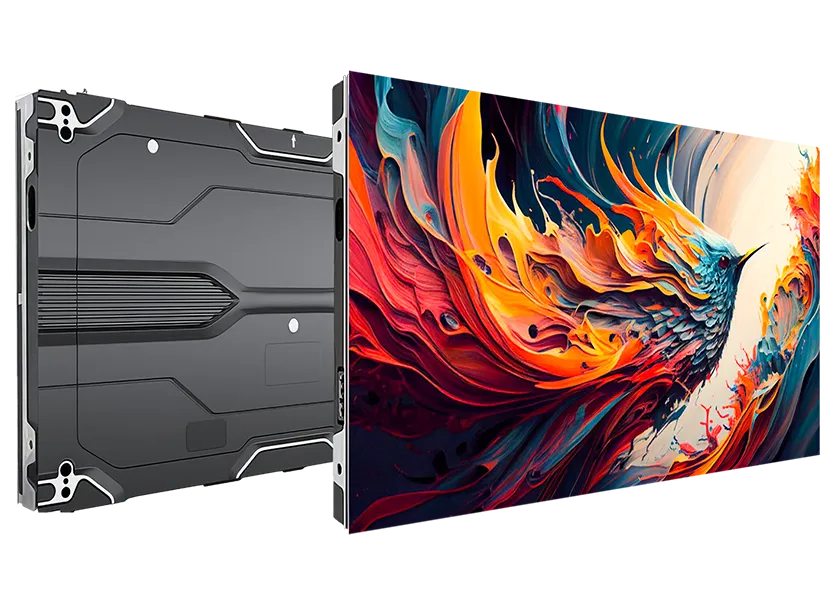
Ultra Fine COB LED
SMART LED POSTER
Holographic LED Screen
Indoor Rental