Introduction
When businesses in Dubai start exploring LED screens, one of the most common questions is: what’s the difference between indoor vs outdoor LED screens? At first glance they look similar. But the engineering behind them is fundamentally different, and picking the wrong type for your environment can cause poor performance or even screen failure.
We turn down more “can we just use an outdoor screen indoors, it’s brighter anyway” requests than you’d expect — the answer is almost always no, and the specs below explain why.
The Core Difference
The fundamental difference comes down to three factors: brightness, weatherproofing, and heat management. Outdoor screens must compete with direct sunlight, survive rain and dust, and operate in temperatures that can exceed 50°C in the UAE. Indoor screens skip these challenges. Instead, manufacturers optimize them for fine image quality, low heat output, and a slim profile.
Side-by-Side Comparison
| Specification | Indoor LED Screen | Outdoor LED Screen |
|---|---|---|
| Brightness | 800 – 1,500 nits | 5,000 – 10,000 nits |
| Pixel Pitch | P0.9 – P3.9 | P3 – P10+ |
| IP Rating | IP30 – IP43 | IP65 – IP67 |
| Viewing Distance | 1 – 8 m | 5 – 50 m+ |
| Operating Temp. | 0°C – 40°C | -20°C – 60°C |
| Cabinet Design | Slim, lightweight | Robust, sealed, ventilated |
| Power Consumption | Lower | Higher (brighter LEDs) |
| Typical Cost / m² | USD 1,200 – 6,000+ | USD 800 – 5,000+ |
Brightness — The Biggest Difference
Brightness is measured in nits (cd/m²). In a bright outdoor environment, an indoor screen would wash out and disappear. Outdoor LED screens in Dubai typically need at least 5,000 nits for clear visibility in direct sunlight. Premium MIP technology screens push that to 8,000 – 10,000 nits.
Indoor screens, by contrast, operate between 800 – 1,500 nits. That’s bright enough for any interior space, and it avoids eye fatigue when viewers stand close.
Weatherproofing — IP Rating
The IP (Ingress Protection) rating tells you how well a screen is sealed against dust and water:
- IP65 — fully dustproof, protected against water jets from any direction (standard for outdoor LED in UAE)
- IP67 — fully dustproof, protected against temporary immersion in water
- IP30 / IP43 — indoor screens, protected against solid objects and limited water splash only
Never install an indoor-rated screen in an outdoor or semi-outdoor location — moisture and dust will destroy the electronics within months.
Pixel Pitch — Resolution vs Viewing Distance
Indoor screens use finer pixel pitches because viewers stand close and need sharp, detailed images. Outdoor screens use larger pixel pitches because viewers are typically 5–50+ meters away. At that distance, a P6 or P8 outdoor screen looks perfectly sharp even though the pixels sit far apart.
A fine-pitch indoor screen outdoors wastes money — you’d pay for resolution no one can see from that far. And a coarse outdoor screen indoors produces a blurry, pixelated image up close.
Heat Management in the UAE
Dubai summers regularly hit 45–50°C. Outdoor LED screens designed for UAE conditions include:
- Conformal coating on PCBs to resist humidity and salt air
- High-temperature rated ICs that continue operating without throttling
- Aluminum die-cast cabinets for passive heat dissipation
- Active ventilation fans in larger cabinet configurations
- Auto-brightness adjustment based on ambient temperature
Indoor screens don’t need this level of thermal engineering. Still, install them in air-conditioned spaces in the UAE — extreme indoor heat in warehouses or un-airconditioned spaces will shorten their lifespan significantly.
Can You Use an Outdoor Screen Indoors?
Technically yes, but we don’t recommend it. Outdoor screens run heavier, thicker, louder (due to cooling fans), and far brighter than indoor use calls for. The brightness alone can cause eye discomfort for anyone nearby. They also cost significantly more per m² than indoor screens of the same size.
Semi-Outdoor Situations
Some locations fall in between — covered walkways, mall atriums with skylights, airport terminals, or glass-fronted retail spaces. For these environments, UP2 recommends screens with:
- Brightness of 2,000 – 4,000 nits
- IP rating of at least IP54
- Temperature tolerance up to 50°C
Getting this right matters. Semi-outdoor environments in Dubai expose a screen to intense indirect sunlight and high ambient temperatures, even without direct rain.
Quick Decision Guide
| Your Location | Recommended Type |
|---|---|
| Air-conditioned interior (mall, office, hotel) | Indoor LED |
| Open-air billboard or building facade | Outdoor LED (IP65+) |
| Covered outdoor area / semi-exposed | Semi-outdoor LED (IP54, 2,000–4,000 nits) |
| Retail window (inside, facing out) | Indoor or Transparent Film LED |
| Rooftop installation | Outdoor LED (IP65+, high-temp rated) |
Need Help Deciding?
Choosing between indoor and outdoor isn’t always straightforward, especially for mixed-use spaces or unique architectural environments. UP2 conducts free site surveys across Dubai, Abu Dhabi and Sharjah. We assess your exact conditions and recommend the right screen type, brightness level, and pixel pitch for your project.
Contact UP2 to book your free consultation.
Related Products
Related Products
Related Products
Related Products
Related Products
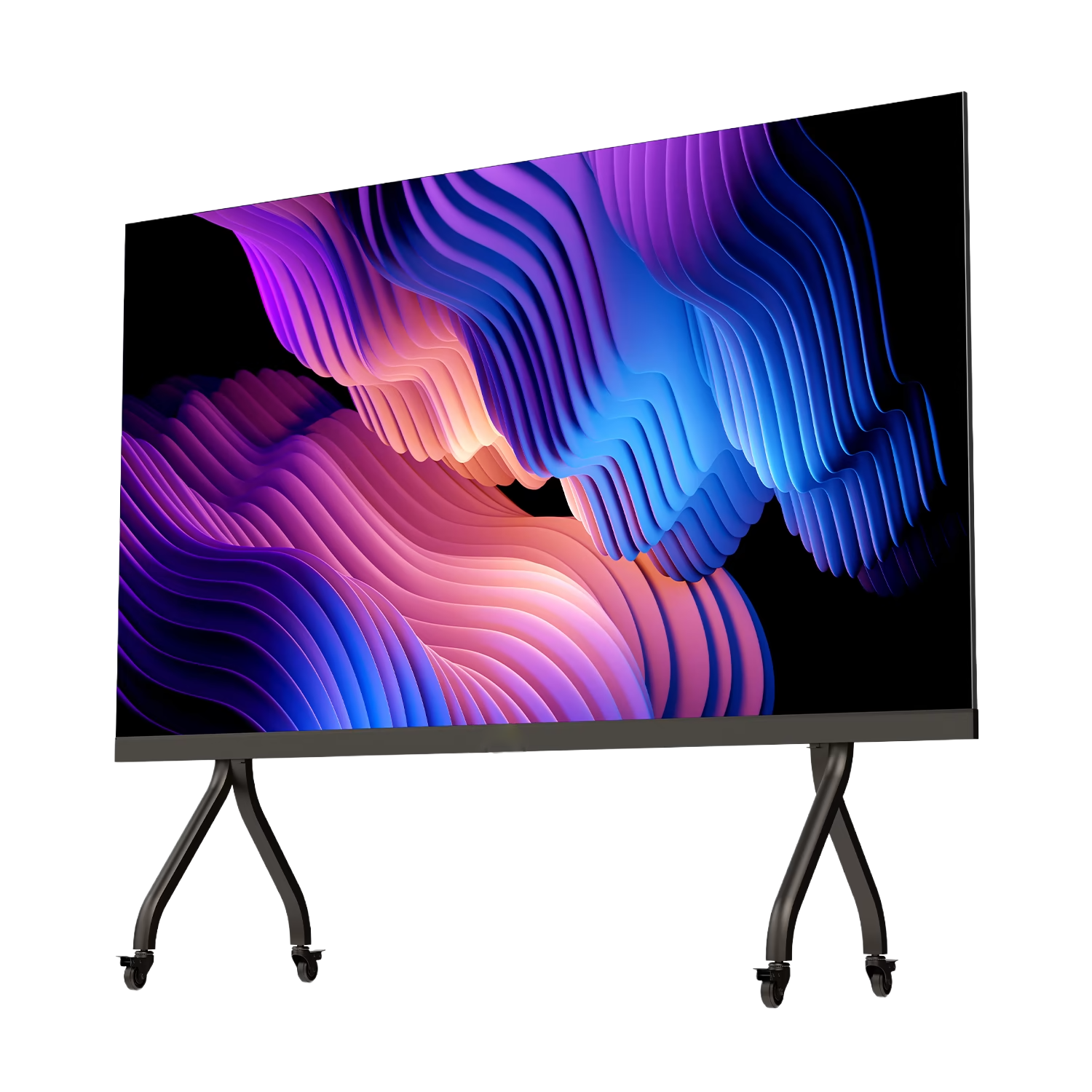
All-in-One LED Display
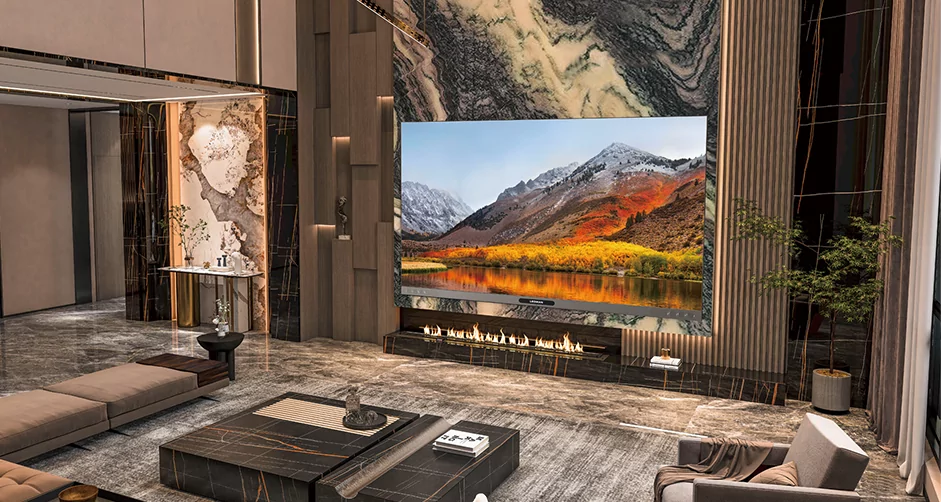
Home Cinema
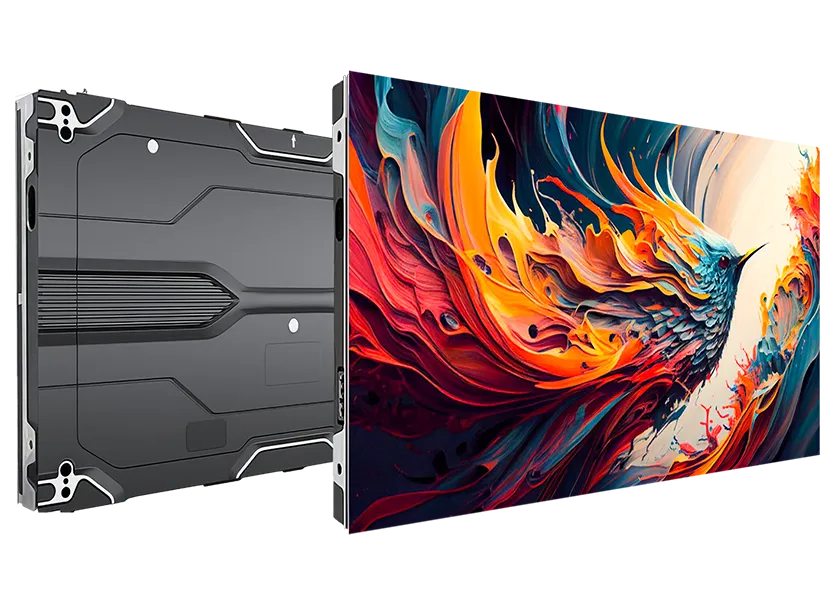
Ultra Fine COB LED
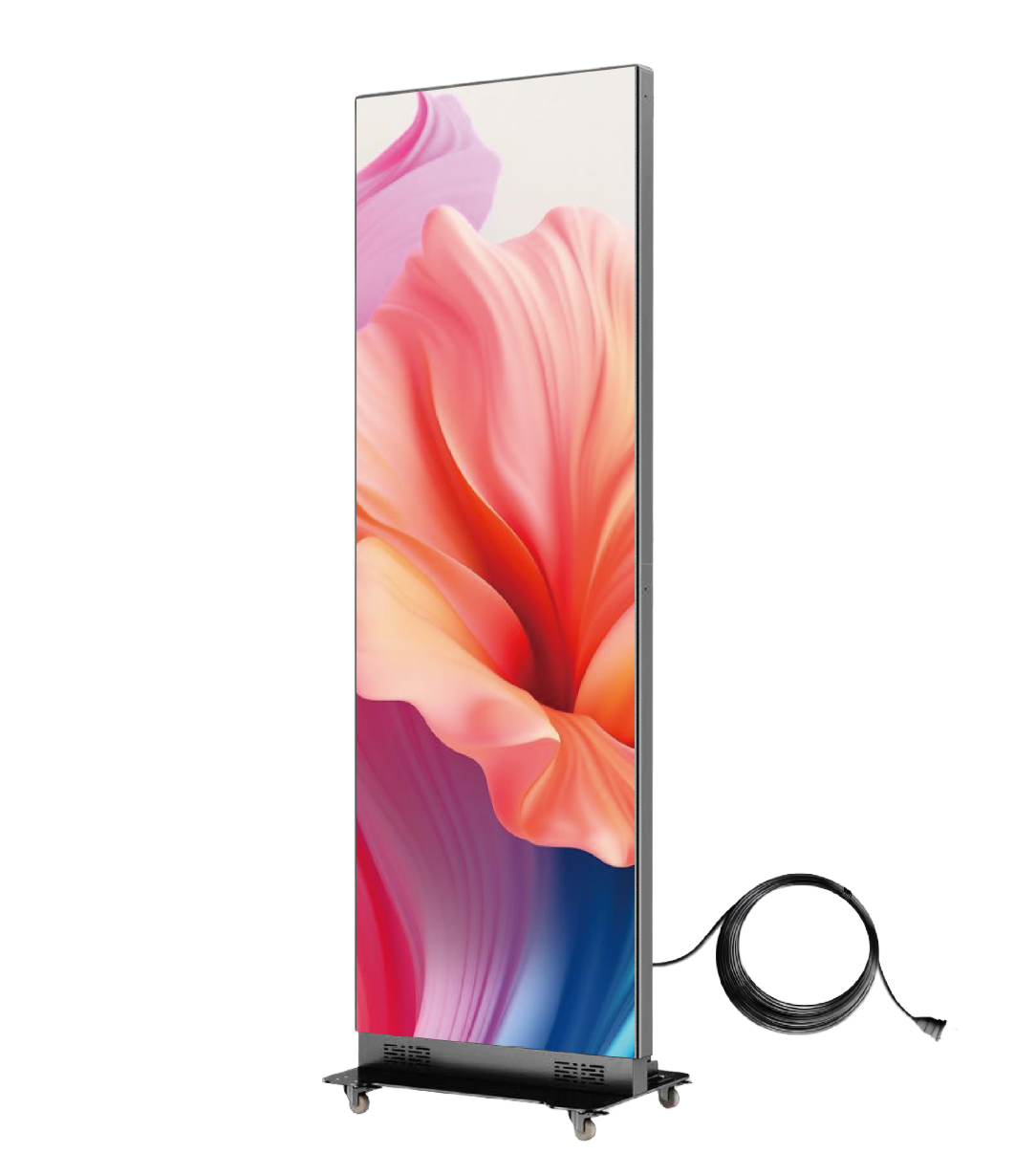
SMART LED POSTER
Holographic LED Screen
Indoor Rental